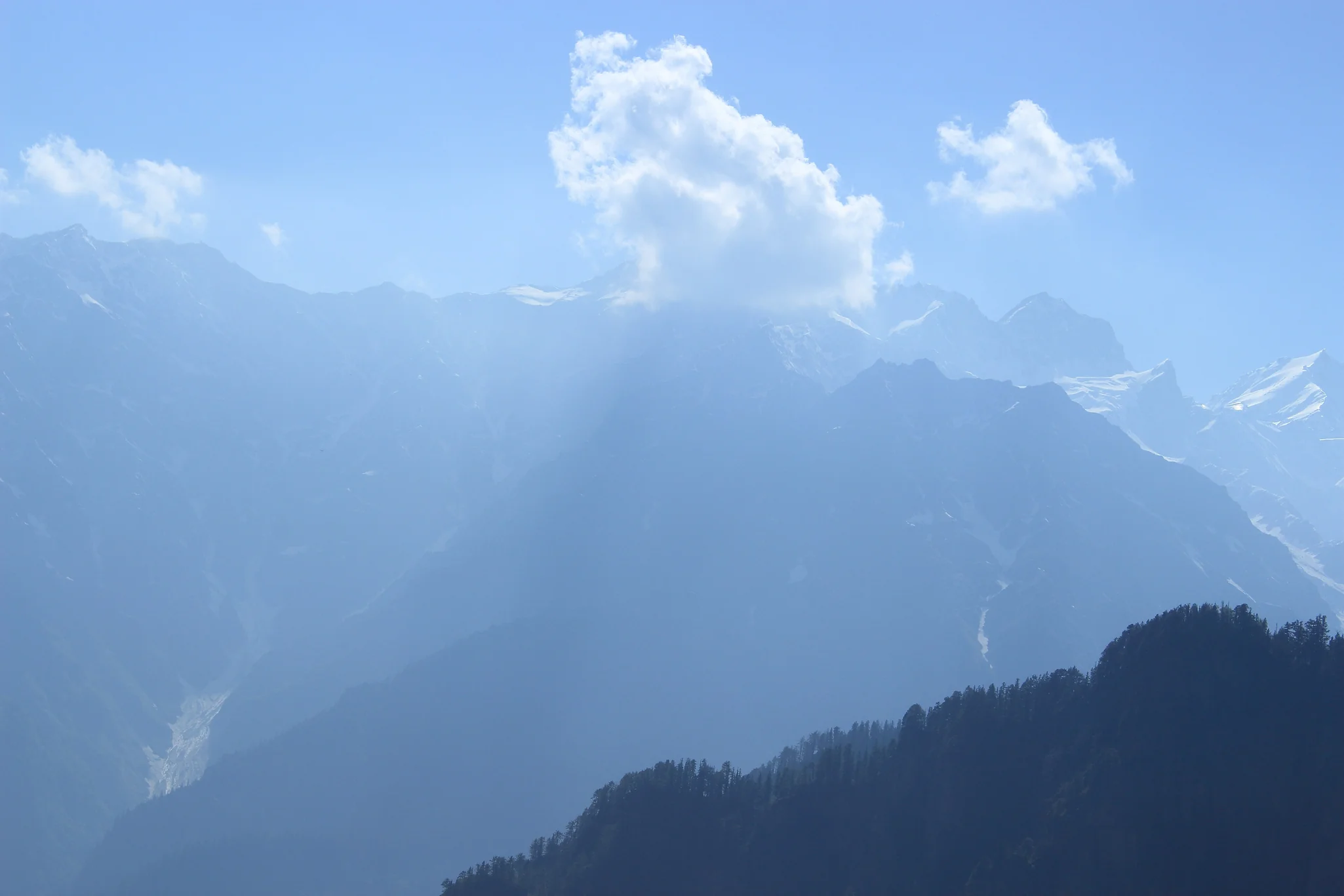
Illustrative Himalayan scenery from CABHIM website assets; route views vary with season.
Rohtang Pass is a high-altitude excursion whose access depends on snow clearance, weather and traffic regulation. It is not the same trip as a drive through Atal Tunnel to Lahaul. Travellers should first decide which destination they actually want, then verify the relevant permission and road conditions.
Rohtang Pass Taxi Permit: Quick Answers
Does every Rohtang taxi need a permit?
Yes. Permit requirements vary by vehicle category and trip purpose. You must verify the current rules on the official portal before traveling.
Where can I apply for a Rohtang Pass taxi permit?
Use the official District Kullu tourism permit website to check permit categories, rules, availability and fees for your vehicle and date. This is a government permit service, not a CABHIM booking or an offer to issue permits.
Can I reach Rohtang Pass all year?
No fixed all-year access can be promised. Snow clearance and official restrictions control the route, typically limiting access to the summer months.
Is Atal Tunnel a substitute for Rohtang Pass?
It is a different route and experience; choose it if you want to visit Sissu or Lahaul rather than the pass itself. Atal Tunnel goes under the mountain, not over it.
Do I need a 4x4 for Rohtang Pass?
While standard SUVs often travel to Rohtang in summer, a 4x4 vehicle (like a Jimny or Thar) is highly recommended for safety, especially if you are traveling early or late in the season when snow patches are common.
In this guide
Practical route planner
Rohtang Pass sightseeing is not interchangeable with a drive through Atal Tunnel. Entry and permits depend on the planned route and current official orders; a booking should not promise passage before official confirmation.
- Check before bookingUse the Himachal Pradesh official Rohtang permit system and local notices to confirm applicable permissions.
- Set the right destinationTell your operator whether you want the Rohtang-top sightseeing route or travel to Lahaul via Atal Tunnel.
- Make weather roomTreat closures, queues, altitude and delayed return as genuine possibilities.
Before you book: Ask for a written breakdown of permit responsibility, vehicle restrictions, and the alternative plan if the pass is closed.
Need a vehicle for this journey? Explore CABHIM Rohtang Pass taxi permit guide services. For background planning, compare all CABHIM route guides.
Rohtang Pass or Atal Tunnel?
Rohtang sightseeing travels toward the pass on the older mountain road. Atal Tunnel uses a different alignment and gives access toward Sissu and Lahaul without crossing the top of Rohtang. The roads do not have identical permit rules, scenery or seasonal opening conditions. Clarifying this distinction avoids paying for the wrong itinerary.
How to apply for the official Rohtang Pass taxi permit
Start at the Himachal Pradesh Government Rohtang Pass Permit portal. Select the applicable permit category for tourism, check the intended travel date and current availability, and review the required vehicle and traveller information. The portal publishes the current rules, eligibility and charges. Do not rely on an old fee screenshot or assume a vehicle has permission because it has 4×4 drive.
Agree with your driver or taxi operator who will complete the permit request and who pays official fees. Check the permit details against the approved vehicle before departure. CABHIM cannot issue a government permit or promise approval; taxi fare, any permit charges, parking and waiting time should be separately clarified in your written quote. Book an appropriate Manali to Rohtang Pass taxi only after confirming access.
How far is Rohtang Pass from Manali? It is approximately 51 km by road, according to Himachal Tourism. Actual trip time depends on seasonal access, traffic and checkpoint conditions.
Prepare for high elevation
Dress in layers, protect yourself from sun and wind and allow time for gradual movement rather than strenuous activity immediately on arrival. If anyone becomes unwell at altitude, stop ascending and seek appropriate medical attention. Mountain roadside facilities and mobile coverage can be inconsistent.
How to shape your day
Plan an early, flexible start if current regulations and your confirmed permit allow it. Leave enough time for approach traffic, regulated checkpoints, short photo stops and a return before conditions worsen. Ask whether parking, taxes, rented snow clothing and food are included or extra.
Before you finalise your booking
Confirm the exact pickup and drop-off locations, group size, luggage, route stops and vehicle type. Ask whether parking, tolls, permits, activity tickets, driver allowances or accommodation are included. Request a written cancellation or route-change policy for high-altitude travel. This guide is background planning information, not a promise that any mountain road is currently open.
For live restrictions consult the relevant district administration and official advisories. No third-party source is presented as a live status feed.
CABHIM · Related journeys
Rohtang Pass and nearby day trips
Explore taxi route pages and an alternative day trip beyond the Atal Tunnel.